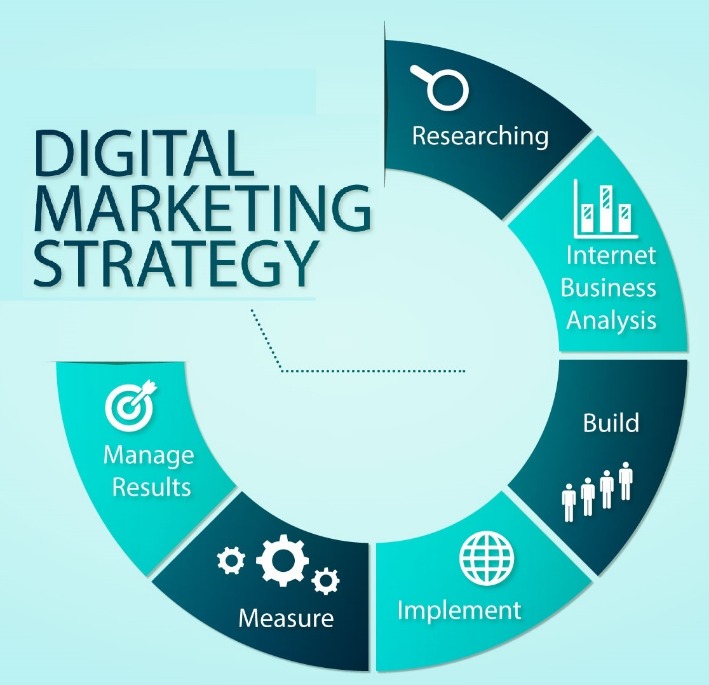
Most businesses present a clean, confident story. Their websites showcase smiling customers, bold promises, and carefully edited testimonials. Their social media feeds highlight success stories and community involvement. But a polished public image does not always reflect how a company actually treats its customers, handles complaints, or responds when something goes wrong. In fact, the gap between a brand’s marketing message and its real-world reputation can be enormous. That is where deeper reputation research becomes critical. Rather than relying on what a business says about itself, smart consumers are now asking a different question: what are other people saying when the company is not controlling the narrative?
This is the core purpose of Instantwho. It is not another review site that simply averages star ratings. Instead, it is a reputation discovery platform built to surface the hidden signals behind a company’s public persona. It helps users investigate reviews, complaints, news reports, social media discussions, and legal information in one place. By looking across multiple sources, Instantwho makes it easier to spot recurring problems, unresolved disputes, and patterns that might otherwise be buried under glossy advertising. The result is a more complete picture of a business before you spend money, sign a contract, or enter into a long-term relationship.
Why a Polished Brand Image Is Only Half the Story
Advertising is designed to persuade, not to inform. Companies spend enormous budgets on branding, public relations, and influencer partnerships to shape how they are perceived. While there is nothing wrong with a business promoting itself, the polished image created by marketing can hide serious operational issues. A home services company might advertise fast response times while leaving a trail of unresolved damage claims. A subscription service might promote a “risk-free trial” while making cancellation intentionally difficult. A financial firm might highlight its integrity while facing regulatory actions or lawsuits. None of these realities typically appear in a brand’s own marketing materials.
That is why reputation research has become an essential consumer skill. Reviews on a company’s own website are often filtered or curated. Testimonials may be solicited from only the happiest customers. Social media posts can be heavily moderated, with negative comments deleted or hidden. Paid search ads and sponsored content can dominate the first page of results, pushing independent criticism far down the rankings. Without a structured approach to research, it is easy to mistake visibility for credibility.
Online review platforms have helped by giving customers a place to share experiences, but they also have limitations. Some reviews are fake, either written by paid promoters or posted by competitors. Others are too vague to be useful, such as “great service” or “never again.” What matters most is not a single rating but the pattern that emerges when you examine multiple sources together. A company might have a four-star average on one platform, but a closer look at consumer complaint boards, court records, and social media discussions may reveal a different story.
Furthermore, many serious business problems never show up in traditional reviews at all. Regulatory fines, licensing suspensions, environmental violations, data breaches, and employment lawsuits often appear only in legal or government databases. A consumer who only checks a company’s Google rating may completely miss that the business is facing a class-action lawsuit or has been cited repeatedly by state regulators. This is not about paranoia; it is about doing the same kind of due diligence that professional investigators or business partners would perform before trusting an unknown entity. The more important the purchase or contract, the more valuable that deeper layer becomes.
How Instantwho Surfaces Hidden Complaints, Legal Red Flags, and Social Sentiment
The real value of a reputation research platform is not just finding negative information, but organizing it in a way that reveals meaning. Instead of requiring users to manually search dozens of websites, court portals, and social networks, Instantwho brings together reputation signals from many different corners of the internet. This broad approach matters because businesses rarely leave their problems in one place. A company might have glowing reviews on its own site, mixed feedback on a review platform, a pattern of complaints on a consumer protection forum, and an article in a local newspaper about a fraud investigation. Separately, each piece might seem like an outlier. Together, they tell a very different story.
Complaint data is especially revealing. Consumer complaint databases often include detailed descriptions of billing disputes, misleading sales practices, warranty failures, and poor customer service. Unlike star ratings, complaints tend to be specific. They mention dates, amounts, contract terms, and the steps a customer took to seek resolution. By examining these records, users can identify recurring issues that suggest systemic problems rather than isolated mistakes. For example, one angry customer might be unavoidable, but ten customers complaining about the same unauthorized charge is a warning sign.
Legal information adds another dimension. Civil lawsuits, regulatory actions, bankruptcy filings, and licensing issues provide a factual counterweight to marketing claims. A company that advertises itself as “licensed and insured” may have a suspended license in certain states. A business that promotes “trusted since 1995” may have been through multiple ownership changes, legal disputes, or consumer protection orders. These records are public, but they are rarely easy for the average person to find and interpret. A reputation platform that aggregates legal signals helps level the playing field between businesses with legal teams and consumers who simply want to make a safe decision.
Social media discussion is another overlooked source of reputation intelligence. Customers often vent on social platforms before writing formal reviews. They may post screenshots of misleading advertisements, describe interactions with support teams, or warn others in community groups. News coverage can also provide context, especially for larger companies or industries under investigation. By bringing these sources together, Instantwho helps users see how a company behaves over time and across different channels. The goal is not to find a single “smoking gun” but to assess the overall weight of the evidence. When consistent themes appear across reviews, complaints, news stories, and legal filings, it becomes much harder for a company to dismiss them as isolated misunderstandings.
Practical Ways to Use Instantwho Before You Buy, Hire, or Sign
Reputation research is most valuable when it becomes part of a regular decision-making process. Before making a major purchase, hiring a contractor, signing up for a subscription, or choosing a financial service provider, a few minutes of structured investigation can prevent months of frustration. Imagine you are considering a home renovation company that has a beautiful website and strong advertising. A quick search of its name through a reputation discovery tool may reveal a pattern of complaints about missed deadlines, poor workmanship, or refusal to honor warranties. That information might not appear in the company’s own portfolio, but it is exactly what you need to know before paying a deposit.
The same applies to online subscriptions and software services. Many companies offer low introductory rates, but their reputation may be shaped by hidden fees, difficult cancellation processes, or unresponsive support. Customers who investigate these companies before signing up can avoid getting locked into a service that is easy to enter but hard to leave. Instantwho helps by surfacing complaints and discussions that focus on the post-sale experience, which is often far more important than the initial marketing pitch. This is especially useful for services in industries like credit repair, business coaching, or health supplements, where aggressive marketing can overshadow questionable practices.
Reputation research also matters in professional relationships. Before hiring a lawyer, accountant, real estate agent, or financial advisor, you can look beyond their own websites to see how they are discussed by former clients and peers. A professional might have excellent credentials but a troubling history of client disputes or disciplinary actions. Conversely, a smaller company with less flashy marketing might have an outstanding track record of customer support and ethical behavior. The goal is not to assume the worst about every business, but to compare what a company claims with what independent sources actually show.
Another practical scenario involves verifying businesses before entering into vendor or partnership agreements. Small business owners and freelancers often work with suppliers, fulfillment services, or marketing agencies. A vendor that fails to deliver can damage your own reputation and revenue. By reviewing complaints, legal filings, and social media discussions, you can identify partners who have a history of overpromising and underdelivering. This kind of reputation due diligence is not just for large corporations. It is now accessible to everyday consumers and small business owners who want to avoid becoming the next person in a long line of dissatisfied customers.
In all of these cases, the most important habit is to look beyond the first page of results. A business may have hundreds of positive mentions because it invests heavily in search engine marketing. But that does not mean the company is trustworthy. It simply means the company is good at promoting itself. By using a platform designed to surface less polished sources, you give yourself a stronger factual foundation for your decision. The businesses that welcome scrutiny tend to be the ones with nothing to hide. The ones that rely on flashy ads and suppressed complaints are often exactly the ones you should avoid.
Reputation research is not about cynicism. It is about clarity. The more information you gather from reviews, complaints, legal records, news articles, and social conversations, the more accurately you can judge whether a company deserves your trust. A single positive review might be cherry-picked. A single negative review might be unfair. But a broad pattern of customer experiences, viewed across multiple independent sources, is much harder to manipulate. That is the real advantage of approaching a purchasing decision with the kind of comprehensive reputation discovery that Instantwho provides.