What Is an Attractiveness Test and Why It Matters
An attractiveness test is a structured method for measuring perceived physical appeal, often using surveys, photographic ratings, or algorithmic analysis to quantify how people respond to visual stimuli. These assessments draw on decades of research in psychology, neuroscience, and social cognition to identify the cues—such as facial symmetry, skin texture, expression, and grooming—that most consistently influence judgments of beauty. Far from being purely superficial, results from these measures illuminate how first impressions shape social outcomes in dating, hiring, marketing, and mental health.
Researchers design these tests to isolate variables: some experiments present standardized headshots to large panels of raters, while others manipulate individual facial features to gauge which attributes drive perceived attractiveness. In addition to static images, dynamic cues like facial expression, voice, and body language are increasingly incorporated, reflecting a broader understanding that attractiveness is multimodal. Cultural context and observer demographics are critical: what one group rates as attractive may be less valued by another, which is why robust studies recruit diverse raters and apply statistical controls.
Practical applications are extensive. Brands use attractiveness insights to craft product imagery and influencer strategies, while clinicians study self-perception issues related to body dysmorphia and social anxiety. Importantly, modern tests of attractiveness also reveal social biases—people often conflate attractiveness with competence or trustworthiness—so interpreting results requires ethical sensitivity. Emphasizing transparency, consent, and clear communication about limitations is essential when deploying these tools beyond research labs.
How Test Attractiveness Methods Work: Metrics, Technology, and Limitations
Methods for assessing attractiveness range from simple thumbnail ratings to advanced computational models. Traditional approaches ask human raters to score images on Likert scales for attributes like attractiveness, likability, and age. These human-generated scores provide a baseline understanding of social perception but can be time-consuming and subject to rater bias. To scale evaluations, researchers and commercial platforms increasingly use machine learning to predict attractiveness from facial landmarks, skin tone, and texture metrics extracted from images.
Computer vision models trained on large datasets can identify patterns invisible to casual observers, such as micro-level asymmetries or subtle textural differences linked to perceived health and vitality. Nevertheless, algorithmic systems inherit biases present in their training data: if datasets overrepresent certain ethnicities, ages, or grooming styles, the model's outputs will skew accordingly. Validity is another concern—are these systems measuring a meaningful social construct or merely capturing correlated features that humans happen to prefer in a given dataset?
To address these challenges, robust attractive test design includes cross-validation with diverse populations, transparent reporting of model limitations, and ethical review. Complementary qualitative research, such as interviews and cultural analyses, can contextualize quantitative scores. In practical settings, businesses and researchers should treat attractiveness metrics as one input among many: useful for informing visual strategy or hypothesis generation, but not as definitive measures of worth or capability.
Case Studies and Real-World Uses: From Social Platforms to Clinical Research
Real-world examples show how an evidence-based attractiveness test can inform decisions across industries. In digital marketing, A/B testing of ad creatives often leverages attractiveness ratings to choose spokesperson images that maximize click-through rates. One e-commerce brand reported measurable uplifts in engagement after selecting product models based on aggregated attractiveness scores combined with demographic targeting, demonstrating how visual appeal can amplify conversion when aligned with brand identity.
On social platforms, dating apps routinely run internal experiments that reveal how profile photos with different expressions, angles, or lighting conditions perform. Researchers have used anonymized datasets from such platforms to study mate preferences, finding consistent cross-cultural trends like the preference for facial symmetry and youthful skin quality, while also documenting local variations in ideal body proportions and grooming standards. These findings illustrate that attractiveness is simultaneously universal and culturally specific.
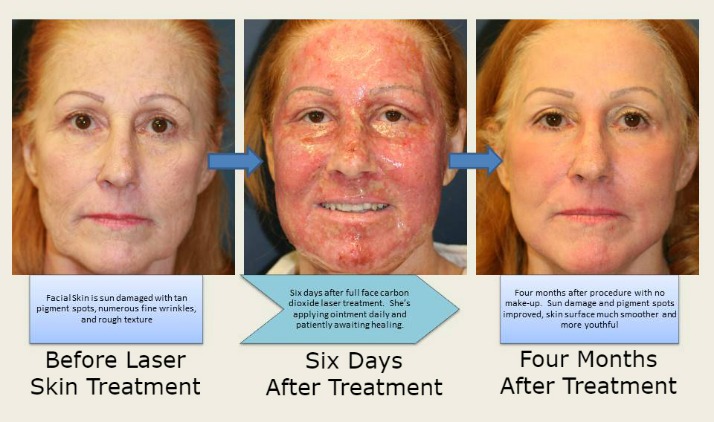
In healthcare, clinicians use standardized attractiveness assessments to study conditions like body dysmorphic disorder and post-operative outcomes in cosmetic surgery. Longitudinal case studies track patients’ self-reported well-being alongside objective ratings from independent panels, revealing complex relationships between external change and internal satisfaction. Ethical use in clinical contexts demands informed consent, sensitivity to psychological impacts, and a focus on patient-centered outcomes rather than merely numerical improvement on a scale.