There comes a point for many patients when the usual repairs stop working. A crown fails here, a root canal flares up there, and the list of foods that can be eaten comfortably keeps getting shorter. Dentures that once fit begin to slip and click. At that stage, the conversation in the dental chair often shifts from saving a single tooth to rebuilding an entire arch — upper, lower, or both.
That shift is what full arch dental rehabilitation is about. It is not one procedure but a coordinated plan that combines extractions, dental implants, bone grafting, and custom prosthetics to restore every tooth in a jaw. The goal reaches past a more attractive smile: it is a return to normal chewing, clear speech, preserved facial structure, and teeth that stay firmly in place.
What Full Arch Rehabilitation Includes and Who Benefits Most
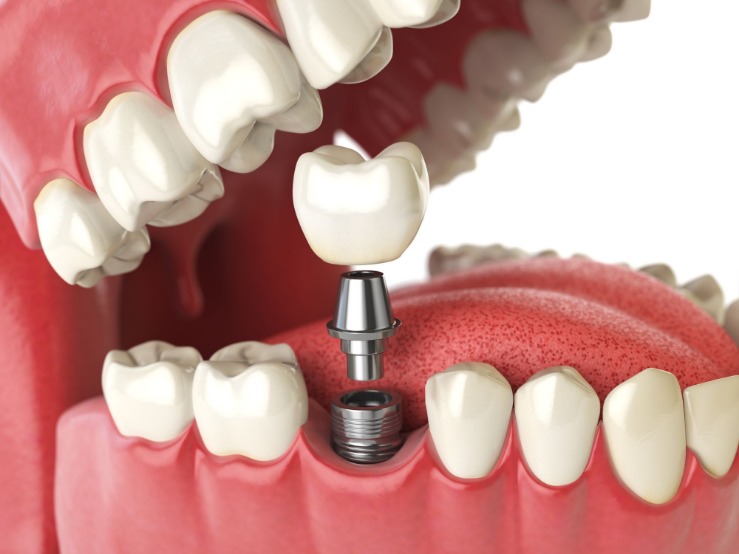
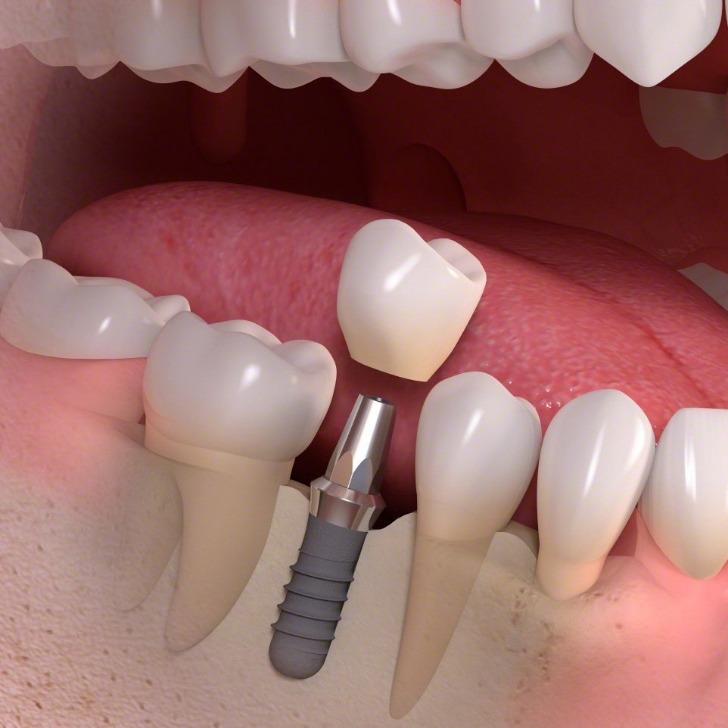
Dental terminology can be confusing, so it helps to separate the treatment philosophy from the specific products sold under it. Full arch rehabilitation is the philosophy — a comprehensive, whole-arch solution designed around a patient’s bone volume, bite, medical history, and long-term goals. The appliances vary widely. Some patients receive an implant-supported fixed bridge, often described as All-on-4 or All-on-6, which is anchored by four to six implants and is not removable at home. Others do better with an implant-retained overdenture, which snaps securely onto implants but can still be taken out for cleaning. In select situations, a well-crafted conventional denture remains the most sensible option.
Candidates tend to share certain characteristics. They may have advanced periodontal disease that has loosened most of their teeth, severe decay, repeated failed root canals, or fractured teeth that cannot be saved. Some have worn their teeth down through years of grinding or acid reflux. Others have lived with dentures that no longer fit because the jawbone beneath them has gradually shrunk. Trauma, congenital conditions, and long-term use of medications that affect oral health can also lead to full-arch treatment. For patients in Springfield and throughout Southwest Missouri, Full arch dental rehab frequently marks the turning point between years of patchwork dentistry and a stable, lasting result.
The benefits extend well beyond appearance. Dental implants transmit chewing force into the jawbone much the way natural tooth roots do, which helps slow the bone loss that normally follows tooth removal. Patients often report eating foods they had avoided for years — apples, steak, corn on the cob. Because a fixed upper prosthesis does not cover the palate, taste and temperature sensation improve compared with a traditional full denture. Speech tends to feel more natural as well, since the prosthesis is anchored rather than resting on the gums. And while the upfront investment is substantial, a well-maintained implant-supported arch often lasts well beyond a decade, which changes the cost conversation considerably compared with repeatedly replacing worn or ill-fitting dentures.
How the Treatment Sequence Works and Where Sedation Fits In
Full arch care is rarely a single appointment, although some cases do allow for same-day teeth. The usual path begins with an in-depth diagnostic workup: a cone beam CT scan to measure bone volume and map nerve positions, digital scans or impressions, clinical photographs, bite analysis, and a complete medical history. From there, the dentist or oral surgeon designs the plan — how many implants, where they will sit, whether grafting is required, and what the interim and final prostheses will look like.
On treatment day, failing teeth are removed and implants are placed, often in the same visit. A temporary fixed bridge or denture is typically delivered immediately so the patient is never left without teeth. Over the next three to six months, the implants fuse with bone in a process called osseointegration. Once healing is confirmed, the final prosthesis is fabricated and seated.
These appointments can run long. Extracting an entire arch, placing multiple implants, and managing grafting sites may take several hours, and the surgical field sits in an area that is difficult for a patient to keep still. That is why anesthesia support has become a routine part of full arch care in modern practices. Options range from monitored anesthesia care with IV sedation, in which the patient remains responsive but deeply relaxed and largely unaware of the procedure, to general endotracheal anesthesia, which provides complete unconsciousness and a protected airway for longer or more complex cases.
Across the Ozarks, mobile anesthesia providers now bring that level of care directly into the dental office, so patients do not need a hospital setting for a procedure that can be performed safely in a properly equipped surgical suite. Board-certified anesthesiologists monitor vital signs continuously, while ACLS- and PALS-certified recovery nurses manage the emergence period and discharge. For a patient with a pronounced gag reflex, a long history of dental fear, or a medical condition that makes prolonged stress risky, this kind of support is often what makes full arch treatment possible at all.
Why Comfort and Safety Planning Matter as Much as the Surgery
Ask anyone who has postponed dental care for years and the same obstacles come up: fear, pain, time, and complexity. Full arch rehabilitation touches all four. A patient may need multiple surgeries, months of healing, and a period of adjustment to a new bite. Anxiety is common, and it is not unreasonable — these are real procedures with real recovery.
That is why the most predictable full arch cases are built on a team approach. The restorative dentist, the oral surgeon, and the anesthesia provider plan together, reviewing medical history, medications, airway considerations, and the patient’s comfort preferences well before the first appointment. Patients with diabetes, hypertension, sleep apnea, or a past anesthesia complication need that coordination. So do pediatric and adolescent patients who require full-arch care because of congenital conditions, trauma, or early tooth loss, since their sedation plans must account for developing anatomy and different dosing considerations.
Practical preparation matters too. A typical sedation visit includes fasting instructions, a designated driver, loose-fitting clothing, and a clear plan for the first twenty-four hours afterward. Recovery staff monitor patients until they meet discharge criteria, and a follow-up contact checks on comfort and healing in the days that follow. Mobile teams such as Highland Ridge Medical Group, which serves dental practices across Springfield and Southwest Missouri, can be reached at 417-413-3478 to coordinate anesthesia for implant, rehabilitation, and oral surgery cases.
A representative scenario makes the value of that planning concrete. A fifty-eight-year-old Springfield resident arrives with a failing upper arch — several mobile teeth, chronic infection, and a fifteen-year history of avoiding dental treatment. Reconstruction is clearly the right answer, but he cannot tolerate more than a few minutes in the chair. With IV sedation provided on-site at his dentist’s office, the extractions, grafting, and implant placement happen in one extended appointment. He wakes with a fixed temporary arch, no memory of the procedure, and a recovery plan that includes a soft diet, wound care, and scheduled follow-ups. Six months later, the permanent prosthesis is seated and he is eating normally again.
Stories like that one have become increasingly common across the Ozarks, where expanded access to on-site anesthesia has allowed general dentists and oral surgeons to offer full-arch treatment to patients who once had few realistic options. Long-term maintenance shapes the outcome as well. An implant-supported arch needs regular professional cleanings, sometimes with specialized instruments, plus daily hygiene and periodic inspection of the implants and surrounding tissue. Patients who keep those appointments and avoid smoking generally see their restorations serve them for many years, with the implants themselves often lasting far longer than the prosthesis they support.