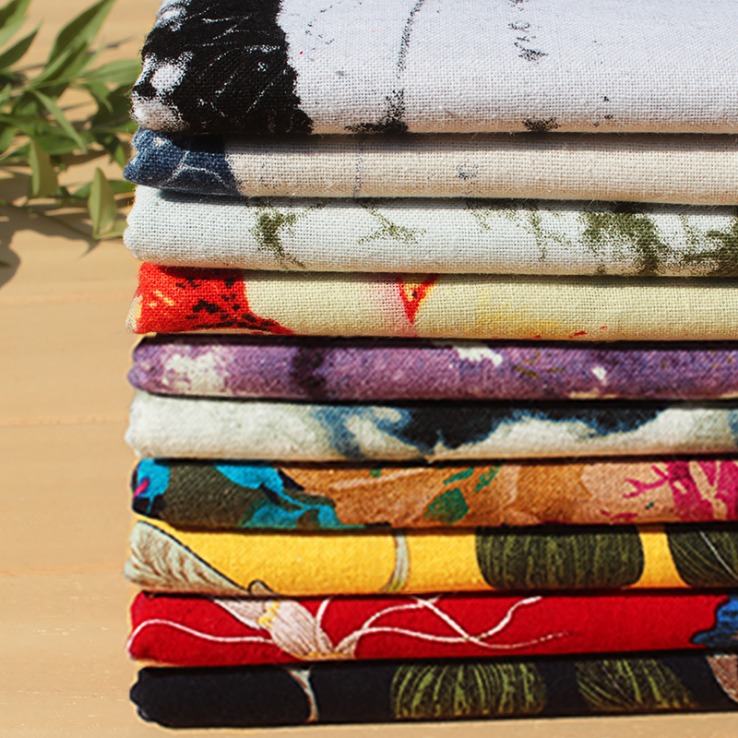
Why Cheap Fabrics Don’t Have to Mean Low Quality
Many people still believe that cheap fabrics automatically equal poor quality, scratchy textures, and disappointing results. In reality, modern textile production has made it possible to find affordable, durable, and stylish materials that look and feel far more expensive than their price tag suggests. The key is understanding how to evaluate fabric quality and where to shop.
First, consider fiber content. Natural fibers like cotton, linen, and viscose often offer breathable comfort, while synthetic fibers like polyester, nylon, and acrylic deliver wrinkle resistance and durability at a lower cost. Blended fabrics that mix natural and synthetic fibers frequently provide the best of both worlds: softness, drape, and strength with a budget-friendly price. Instead of dismissing synthetic blends, examine how they’re used—poly-cotton or viscose-polyester blends can drape beautifully, resist shrinking, and keep colors bright.
Weave and weight also determine how “cheap” a fabric feels in practice. A tightly woven cotton poplin, for example, may be very affordable yet still crisp and sturdy, ideal for shirts, dresses, and craft projects. Lightweight chiffons and georgettes, though often inexpensive, can look luxe when layered, lined properly, or used in flowing garments. On the other hand, heavier twills, denim, and canvas bring structure and longevity to bags, jackets, and upholstery without stretching your budget.
Print quality and color fastness are crucial when judging lower-cost discount fabrics. Look for even printing, sharp edges on patterns, and strong, saturated color. Rub the fabric lightly between your fingers; if the dye immediately transfers or fades, it may not stand up to washing. Many inexpensive textiles now feature digital prints with vibrant, detailed designs that rival high-end options, especially for dressmaking, quilting, and home décor.
Finishing treatments are another reason cheap fabrics can perform surprisingly well. Anti-pilling finishes can keep knits looking smooth; crease-resistant coatings help trousers and shirts stay polished; and brushed surfaces on flannels or fleece create a soft, cozy hand-feel. These treatments, combined with improved manufacturing processes, mean that budget-conscious sewists, crafters, and designers can access a huge range of reliable, attractive materials without overpaying.
Ultimately, the difference between “cheap and cheerful” and “cheap and disappointing” lies in informed choices. By understanding fiber content, weave, weight, print quality, and finishing, it becomes entirely possible to choose affordable textiles that stand up to daily wear, multiple washes, and intensive use in craft or décor projects.
Buying Fabric Online: How to Shop Smart and Save More
The rise of fabric online stores has completely reshaped how people source textiles for sewing, quilting, upholstery, and craft projects. Instead of being limited to whatever a local shop stocks, you now have access to thousands of options at your fingertips—often at significantly lower prices. However, shopping online requires a strategic approach to ensure the fabric you order matches your expectations when it arrives.
One major advantage of buying fabrics online is the ability to compare prices and fiber content across multiple retailers in minutes. You can filter by material (cotton, linen, polyester, viscose, jersey, chiffon, etc.), design style (florals, geometrics, solids, novelty prints), and end use (dressmaking, upholstery, craft, quilting). This makes it easier to identify true discount fabrics—materials that are inexpensive because of clearance, overstock, or bulk buying, rather than because of inferior quality.
To shop smart, pay close attention to product descriptions. Key details like GSM (grams per square meter) or fabric weight help you judge whether a material is suitable for a flowing summer dress, a structured blazer, a pair of curtains, or a hard-wearing tote bag. Look for information about stretch percentage in knits and jerseys, which indicates how much give you can expect and whether you’ll need special patterns or techniques to sew them successfully.
Color and print accuracy are common concerns when buying fabric online. Monitor settings can alter shades, so reputable sellers usually mention that colors may appear slightly different in person. Reading reviews and looking at customer photos can provide a more realistic impression of hue, scale of print, and drape. When in doubt, ordering a small cut or sample first is a smart way to test quality and color before committing to a larger quantity.
Online shops also excel at helping you coordinate multiple fabrics for a single project. For instance, you can match a bold printed cotton with a complementary plain poplin for facings or linings, or pair a statement upholstery fabric with coordinating plain velvets and textured weaves for cushions and soft furnishings. Many stores suggest matching products or categories, streamlining the process of building a cohesive color palette or theme for your sewing plans.
Price-wise, e-commerce platforms can offer significant savings through frequent promotions, clearance sections, and bulk discounts. Sign up for newsletters to be notified of seasonal sales, end-of-line reductions, or special codes on specific categories like jersey, suiting, or craft cottons. Because online retailers avoid some of the overheads of physical shops, they can often pass on lower prices without compromising the quality of their fabrics.
Time is another major benefit. Instead of spending hours traveling between shops and searching racks, you can quickly filter and sort products by price, color, fabric type, and pattern. This efficiency is especially valuable if you run a small business, produce garments to sell, or work on multiple home décor projects and need a reliable, convenient source of materials delivered straight to your door.
Using Discount Fabrics for Fashion, Home Décor, and Crafts
Strategic use of discount fabrics can dramatically stretch your creative budget, enabling you to experiment more freely with patterns, silhouettes, and décor ideas. Rather than saving every “special” material for a hypothetical perfect project, you can explore designs confidently, knowing that your fabric cost per item remains manageable. This is especially helpful if you are still learning to sew or trying new pattern companies, as mistakes become less intimidating when the materials are affordable.
In fashion sewing, low-cost cotton poplins, viscose challis, and stable jerseys are popular choices for everyday garments. They provide breathability, drape, and comfort while remaining easy to cut and sew, even for beginners. Affordable denims, twills, and ponte knits lend themselves well to trousers, skirts, and jackets that look polished but don’t require premium-price textiles. When you source Cheap Fabrics that still feel good against the skin, you can build a versatile wardrobe of tops, dresses, and separates without overspending.
Home décor projects also benefit from accessible materials. Curtain-making, for example, can become extremely expensive when using high-end designer prints by the meter. Discounted cottons, poly-cottons, and curtain-weight blends can deliver a similar aesthetic at a fraction of the cost, especially when you line them for body and light control. Cushion covers, table runners, fabric placemats, and slipcovers are equally well suited to budget-friendly fabrics. Because these items often need frequent washing, it can be practical—even preferable—to choose reasonably priced materials that can be replaced or refreshed without guilt.
Crafters, quilters, and small business owners who sell handmade goods particularly value reliable sources of low-cost fabrics. Quilting cottons, fleece, felt, and poly-cotton blends are ideal for items like tote bags, pouches, children’s toys, patchwork quilts, and seasonal décor. When the base material is competitively priced, the final product stays affordable for buyers, improving your margins and helping you remain competitive in crowded marketplaces.
Real-world examples highlight how effective the right supplier can be. Many makers and designers rely on trusted online stores such as Cheap Fabrics to source everything from basic cottons and linings to statement prints, velvets, and specialty dressmaking materials. By regularly browsing clearance categories and new arrivals, they stock up on versatile staples and eye-catching designs at reduced prices, ensuring they always have suitable cloth on hand for client commissions or last-minute inspiration.
A smart approach is to separate “investment” fabrics from “experiment” fabrics in your stash. Investment pieces might be classic wools, luxury viscoses, and premium linens chosen for timeless coats, occasion wear, or heirloom quilts. Experiment pieces come from discount fabrics sections—bold prints, unusual textures, or trend-led colors that invite creativity. You can test new silhouettes, color combinations, and sewing techniques on these, then replicate the successful ones later in higher-end cloth if desired.
Waste reduction is another advantage of working with affordable materials. Because you are less anxious about cost, you’re more likely to use remnants and offcuts for smaller projects instead of throwing them away. Leftover cotton can become quilt blocks, bias binding, scrunchies, or patch pockets; scraps of furnishing fabric may transform into coasters or key fobs. Over time, this mindset both reduces environmental impact and maximizes the value you gain from every meter of fabric you purchase.