Maintaining a sturdy roof is one of the most important investments a homeowner can make. From routine Roof Leak Repair to complete Roof Replacement, understanding the difference between quick fixes and full-scale projects helps protect your property value, energy efficiency, and family safety. This guide explains when to patch, when to replace, and how to choose skilled professionals so your roof performs for years to come.
Whether you're dealing with missing shingles after a storm, persistent attic moisture, or the decision to upgrade to a long-lasting roofing system, clear information and timely action make the difference. Use these practical insights to evaluate damage, estimate costs, and plan the next steps with confidence.
When to Repair vs. Replace: Assessing Damage, Lifespan, and Cost
Deciding between Roof Repair and full Roof Replacement starts with a careful assessment of the roof’s age, the extent of damage, and the cause of failure. Isolated issues like a few cracked shingles, a small leak around flashing, or minor storm damage are often best served by repair. Repairs are faster, less costly, and restore protection without the expense of tearing off the entire system. However, frequent leaks, widespread shingle granule loss, sagging decking, or a roof approaching the end of its manufacturer’s lifespan usually indicate replacement is the smarter long-term choice.
Another key factor is the underlying structure: if water has compromised sheathing, insulation, or rafters, patching the visible problem won’t address rot and mold that can spread. Insurance considerations also play a role—some claims will cover full replacement for storm-related catastrophic damage, while routine aging is less likely to be covered. A thorough inspection by a licensed contractor can document the condition and give you a clear picture of the repair timeline and budget.
Material choice affects both repair approach and replacement value. Architectural asphalt shingles, metal, and synthetic underlayments offer different lifespans and maintenance needs. Upgrading materials during a replacement can yield improved energy efficiency and curb appeal, but factor in upfront cost versus long-term savings. For urgent needs like active leaks, seek immediate Emergency Roof Repair services to prevent interior damage while you evaluate long-term options.
Choosing a Roofing Company and What to Expect During New Roof Installation
Selecting the right Roofing Company is critical to a successful project. Look for licensed, insured contractors with verifiable references, clear written estimates, and detailed warranty information. Ask about material brands, ventilation strategies, and the crew’s experience with local climate challenges—ice dams, heavy snowfall, and wind-driven rain all affect how a roof performs in the long run. Request proof of insurance and bonding to protect against liability and workplace accidents.
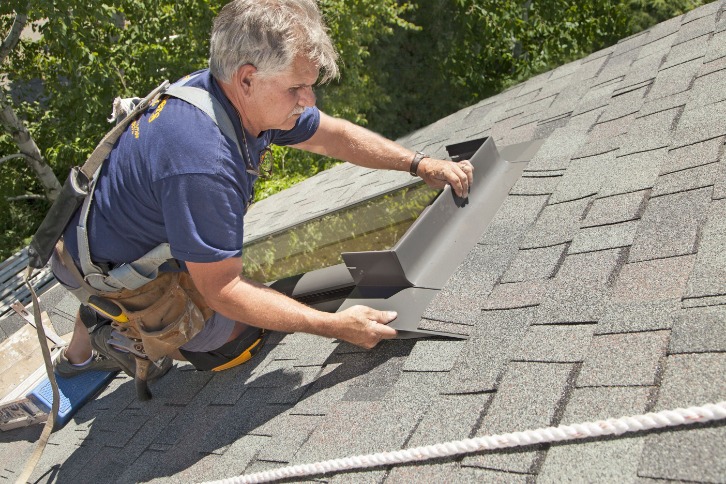
During a New Roof Installation, expect a methodical process: initial teardown of the old covering, inspection and repair of the deck, installation of underlayment and flashing, and precise shingle or panel placement. Proper attic ventilation and insulation are essential components often overlooked but vital to prevent premature aging and ice dam formation. A professional crew will manage permits, coordinate disposal of old materials, and implement safety protocols to protect your property and landscaping.
To find local expertise quickly, many homeowners search for a trusted roofer. If you need proven local service, consider contacting Roof Repair North Jersey for inspections, estimates, and installations tailored to the region’s weather patterns. Transparent timelines, daily cleanup, and post-installation walkthroughs help ensure you get the quality and peace of mind you paid for.
Real-World Examples and Case Studies: How Repairs and Replacements Solve Common Problems
Case Study 1 — Hidden Leak Turns into Major Replacement: A homeowner noticed a faint water stain on the ceiling but postponed service. By the time a professional inspected the attic, rot had affected multiple rafters and the sheathing. What began as a Roof Leak Repair quickly escalated to a full replacement project to restore structural integrity and prevent mold. Proper documentation for the insurance claim and choosing higher-grade shingles reduced future maintenance needs.
Case Study 2 — Storm Damage Repair That Prevented Further Loss: After a severe windstorm, several shingles were missing and gutter flashing was bent. A rapid emergency response included temporary tarping and targeted shingle replacement. The quick Emergency Roof Repair prevented water intrusion during subsequent rainfall; the homeowner scheduled a phased replacement later when budgets allowed. This hybrid approach can be a practical strategy for balancing immediate protection with long-term planning.
Case Study 3 — Upgrading for Energy Efficiency: A mid-century home with poor ventilation and an aging roof experienced high cooling bills. A planned New Roof Installation incorporated reflective underlayment, improved ridge vents, and higher-insulation attic measures. The result was lower utility costs, fewer interior temperature swings, and a modernized curb appearance. These real-world outcomes demonstrate that strategic investment in roofing often pays dividends beyond simple weather protection.