The piano’s blend of structure, predictability, and rich sensory feedback makes it a powerful medium for growth. For many families and educators, piano lessons for autism offer a uniquely accessible path into music-making, self-expression, and lifelong learning. The keyboard’s clear visual layout helps learners see patterns. Keys respond consistently to touch, encouraging cause-and-effect understanding, while the steady pulse of rhythm supports regulation and focus. With patient guidance, autistic students can translate interests—melodies from favorite shows, soundtracks, or looping riffs—into skills that build confidence and communication.
These lessons are not simply about repertoire and recitals. They can reinforce executive functioning, motor planning, and auditory processing, while providing a safe, affirming space where differences are welcomed and strengths are celebrated. A tailored approach meets each learner where they are, shaping techniques, goals, and environments to fit sensory profiles and communication styles. Trusted collaboration among families, therapists, and a responsive piano teacher for autism helps create continuity, so progress on the bench supports growth at home, at school, and in the community.
Why the Piano Works for Autistic Learners: Structure, Sensory Integration, and Motivation
The piano’s physical design is a natural ally. Clear left-to-right mapping, repeating groups of black and white keys, and visible intervals make musical relationships concrete. This “map” supports pattern perception and working memory. When guided by a thoughtful educator, the instrument becomes a scaffold for sequencing and organization. Chunked learning—breaking a task into small, predictable steps—aligns with the keyboard’s layout, reducing cognitive load and making progress visible. This can be especially empowering for students who thrive on clarity and routine within piano lessons for autism.
Sensory integration is a second pillar. The piano engages multiple channels: tactile feedback from keys, auditory feedback from dynamics and pitch, and proprioceptive input from posture and arm weight. For some autistic learners, consistent tactile resistance and controllable volume offer grounding input that helps regulate arousal. The student can lean into a soft phrase for calming or enjoy bold chords to release energy safely. Gradual exposure to timbre changes, pedal resonance, and dynamic contrasts can be paced to individual tolerance, turning potential triggers into predictable, welcomed sensations.
Motivation, the third pillar, is amplified by aligning lessons with personal interests. Many autistic students have deep, focused passions. A teacher who can weave those passions into arrangements, improvisations, or games transforms practice from obligation into curiosity-driven exploration. When a favorite theme is adapted to accessible hand positions, the learner experiences immediate success—an important source of agency. Over time, that success generalizes to new pieces and techniques, reinforcing persistence. Additionally, improvisation can become a conversational space without words, offering a channel for emotional processing and joint attention. Through call-and-response play, the student practices turn-taking, listening, and timing—core social-communication skills—within a safe, musical frame.
Finally, the piano encourages bilateral coordination, crossing midline, and fine motor control. Alternating hands, syncopated patterns, and controlled articulation all build neural pathways that support handwriting, typing, and daily tasks. When paired with visual schedules and gentle feedback, these motor gains accumulate without overwhelming effort. The cumulative effect is practical and profound: an integrative learning experience that feels like art rather than therapy, while quietly building capacities that reach beyond the music room.
How to Teach: Evidence-Informed Strategies that Respect Sensory, Cognitive, and Communication Needs
Effective instruction begins with a clear, predictable routine. A visual schedule—warm-up, review, new skill, free play, and cool-down—reduces uncertainty and sets attainable expectations. Within this framework, the teacher can use “first-then” language, timers, and transition cues to make lessons feel manageable. Short, high-success tasks precede more challenging ones, and choices are embedded throughout to sustain autonomy: choose the warm-up, select the sound on a keyboard, pick which hand to start with. This flexible consistency is a hallmark of responsive piano teacher for autistic child practice.
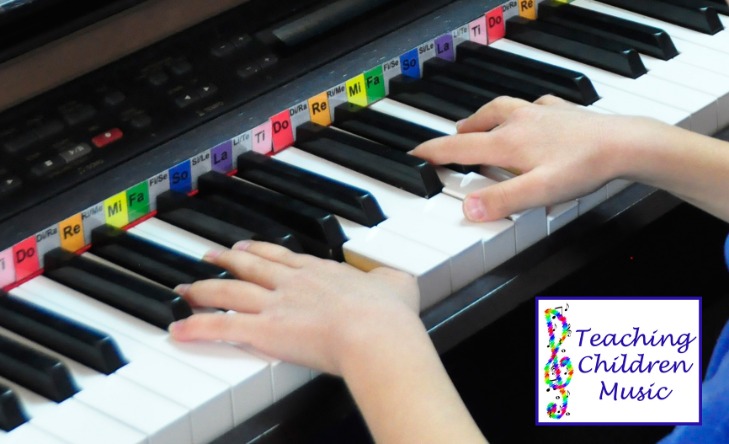
Scaffolding is crucial. Skills are presented in bite-sized steps, such as isolating hand shapes before combining them, or mastering a two-note ostinato before adding melody. Visual supports—color-coding that is gradually faded, finger-number overlays, or custom notation with enlarged spacing—allow immediate access while nudging toward standard notation over time. Demonstration and mirroring reduce verbal load. Brief, precise language paired with modeling helps learners who process instructions differently. When touch prompts are used, consent and comfort come first; alternatives like hand-over-hand via a weighted scarf or a teacher’s hand under the student’s wrist can maintain safety and autonomy.
Sensory considerations shape the environment. Lighting can be softened, background noise minimized, and seating adjusted for stability. Some students focus better with noise-dampening headphones or a lightweight vest; others regulate with a small fidget before starting. Dynamic control is introduced gradually, beginning with mezzo-forte and expanding outward once the student understands how to manage loudness. Metronomes can be swapped for tactile or visual beat cues to prevent overload. For students who benefit from stimming, breaks can be scheduled proactively instead of reactively.
Reinforcement should be meaningful and aligned with intrinsic goals. Celebrate process over perfection: steady pulse, relaxed shoulders, or improved self-monitoring. When mistakes occur, an “errorless learning” approach can help—adjust the task so success is immediate, then gently increase complexity. Practice plans mirror lesson structures: two or three micro-goals, a brief review, and a fun closer like a favorite riff. If a student uses AAC, written prompts, or gestures, the teacher mirrors those modes, ensuring that communication access is never a barrier. With time, these strategies transform piano lessons for autism into a reliable, affirming routine where growth is inevitable and joy is central.
Real-World Examples and How to Find the Right Teacher
Consider a student, age eight, with limited spoken language and strong rhythmic sensitivity. Initial lessons centered on a three-step routine: greeting with a simple clapping game, two-note left-hand ostinatos, and short improvisations matching the child’s energy. Visual icons marked each step. Over several weeks, the student progressed from single-finger taps to steady fifths anchoring the left hand, then layered simple melodies. The predictable arc of each session reduced anxiety and supported smoother transitions at home, with parents noting calmer bedtime routines on lesson days.
Another student, age fourteen, loved movie soundtracks but found sudden loud passages overwhelming. Lessons began with exploring soft dynamics, then built toward controlled crescendos. The teacher arranged themes into simplified chord shells and gradually reintroduced fuller voicings. A weekly “compose your motif” activity let the student reshape a favorite melody in minor and modal variants, growing both theory knowledge and expressive range. At a small studio showcase designed with sensory-friendly lighting and quiet zones, the student chose to perform, demonstrating not just musical gains but self-advocacy in managing comfort levels.
Remote instruction can also thrive. With a clear on-screen schedule, camera angles that show hands and music, and short, high-frequency lessons, one student with high support needs improved hand independence over three months. Family members became collaborators, helping with visual prompts and reinforcing routines. The student’s piano time evolved into a daily regulation tool after school, replacing less structured screen time with a motivating, embodied activity.
Finding a skilled guide involves matching philosophy, experience, and environment. Look for a piano teacher for autistic child who combines musical expertise with knowledge of sensory profiles, communication supports, and strength-based pedagogy. Training in neurodiversity-affirming practices and collaboration with occupational or speech therapists is a plus. A brief intake meeting should address goals beyond repertoire: regulation, confidence, executive functioning, and opportunities for choice. The studio space—or virtual setup—should minimize unexpected stimuli while offering clear visual organization. Trial lessons help assess rapport, flexibility, and the teacher’s ability to adapt materials on the spot.
Connection tools make the search easier. Directories such as piano lessons for autistic child can link families with educators attuned to sensory needs and communication diversity. When a match is found, progress tracking focuses on meaningful markers: steadier rhythm, relaxed posture, increased initiation, and growing resilience when facing a tricky passage. With collaboration and care, a dedicated piano teacher for autism helps transform a keyboard into more than an instrument. It becomes a place to practice self-advocacy, celebrate personal interests, and build capacities that echo beyond music—into classrooms, friendships, and everyday life.