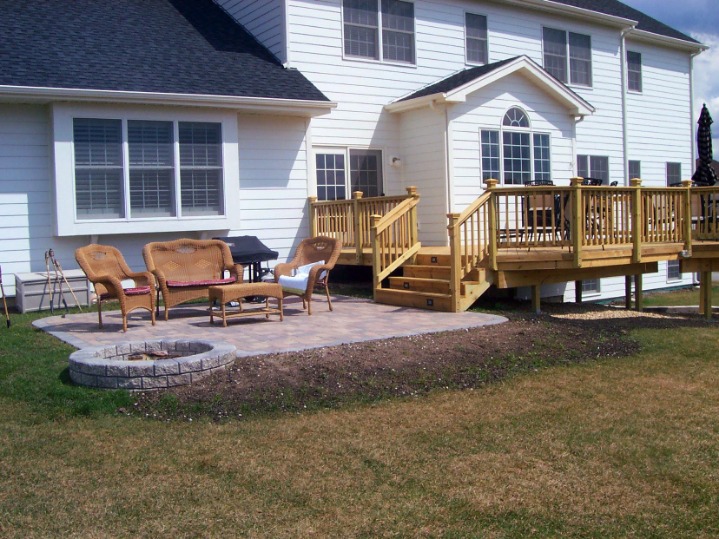
Choosing the Right Material: Wood, Composite, or PVC for Long-Lasting Decking
Selecting the correct material is the foundational decision for any successful outdoor project. Traditional wood remains popular for its natural beauty and warmth, but modern alternatives have matured into high-performance solutions. When evaluating options, consider durability, maintenance, environmental impact, and upfront versus lifetime cost. Hardwoods like ipe and cedar offer stunning appearance and natural resistance to rot, while softwoods such as treated pine are budget-friendly but require more frequent upkeep.
Composite materials combine a wood-fiber core with recycled plastics and protective co-extruded shells to deliver exceptional resistance to moisture, fading, and stains. For homeowners who want minimal upkeep and consistent appearance, composite is often the top recommendation. PVC decking is fully synthetic and excels in resisting mold and moisture; it’s lighter than composite and available in a wide palette of colors and textures. Each material has tradeoffs in footprint, expansion/contraction behavior, and fastening systems, so factor those into your design and maintenance plans.
Cost analysis should look beyond initial purchase. A lower-priced wood deck may require yearly sealing, periodic board replacement, and more labor, increasing lifetime costs. Conversely, a higher initial investment in composite can yield years of wash-and-go maintenance and better resale value. For buyers who want an easy path to a reliable surface, consider the benefits of modern products like decking boards engineered to resist moisture and staining; many manufacturers now offer long warranties and sustainable sourcing, which are important metrics when comparing options.
Environmental considerations also play a role. Reclaimed hardwoods and composite products made with recycled content reduce pressure on virgin forests. If sustainability matters, look for certifications like FSC for wood and third-party life-cycle data for composites and PVC. Choosing the right material sets expectations for longevity, maintenance regimen, and aesthetic outcomes—making an informed selection at the start saves time, money, and frustration down the road.
Installation and Maintenance Best Practices to Maximize Lifespan
Proper installation is as critical as material choice when aiming for a durable deck. A well-built substructure with correctly spaced joists, adequate drainage, and proper ventilation prevents standing water and premature decay. Joist spacing is dictated by the decking material and expected loads; composite boards often require closer joist spacing due to flex characteristics. Use corrosion-resistant fasteners designed for your chosen material—stainless steel or coated screws for wood, specialized hidden-fastener systems for composites—to avoid staining and structural degradation.
Surface preparation and planning reduce common issues. Ensure ground-level decks have gravel beds and vapor barriers where needed; raised decks benefit from adequate air circulation beneath the boards. Pay attention to expansion gaps and orientation relative to sun exposure; some materials will expand or slightly fade over time, so leaving manufacturer-recommended spacing prevents buckling and warping. Integrate drainage channels and slope for water runoff to minimize pooling and accelerate drying after rain.
Maintenance varies by material but follows consistent principles: clean, inspect, repair. For wood decks, annual cleaning and sealing or staining protect the fibers from UV and moisture. For composites and PVC, simple periodic washing with diluted soap and water keeps debris from building up; avoid harsh solvents and high-pressure washers unless recommended by the manufacturer. Inspect fasteners and support structures seasonally, replace any weakened boards, and tighten loose screws to maintain structural integrity and safety.
Smart detailing enhances longevity: use composite-friendly trim and fascia, design planter boxes with liners to prevent trapped moisture, and provide thermal breaks where decking meets metal or masonry to reduce galvanic corrosion. Thoughtful installation not only improves performance but also supports warranties—many manufacturers require certified installation practices for full coverage. Investing time into correct installation and predictable maintenance yields a deck that remains attractive and safe for decades.
Case Studies and Real-World Examples: Successes, ROI, and Practical Insights
Real projects reveal how choices play out over time. A suburban family replaced a weathered pine deck with low-maintenance composite boards and reported a measurable reduction in annual maintenance hours—from 36 hours of sanding and staining to under 4 hours of seasonal cleaning. The upfront cost was higher, but the family valued time savings and a consistently safe, splinter-free surface for children and pets. Within five years, the composite deck retained color and required only minor surface cleaning, demonstrating the lifecycle benefits of investing in more durable materials.
An urban rooftop bar opted for lightweight PVC plank systems. Designers prioritized quick installation, weight limits on the roof structure, and slip resistance. The project benefitted from the product’s color stability and non-absorbent surface, which minimized staining from spilled beverages and reduced cleaning needs during fast turnaround between service periods. The operator tracked maintenance costs and found the PVC option reduced downtime and labor compared with treated wood alternatives, improving profitability and guest satisfaction.
A coastal municipality rehabilitated a public boardwalk using enhanced composite planks built to resist salt spray and high foot traffic. Over a decade, the composite solution decreased replacement frequency, limited maintenance closures, and produced lower lifecycle costs compared to tropical hardwoods previously used. Additionally, the municipality highlighted environmental wins: reduced harvesting of exotic hardwoods and the incorporation of recycled materials in manufacturing aligned with local sustainability goals.
For homeowners and professionals considering a new deck, these examples emphasize aligning goals—whether aesthetics, minimal upkeep, lightweight construction, or sustainability—with material selection and installation methods. A practical approach is to review comparable local projects, ask suppliers for case histories, and verify warranty terms. When specifying materials, include long-term performance criteria such as colorfastness, slip resistance, and resistance to mold or insects. For many, choosing engineered products and following manufacturer-recommended installation practices delivers the best combination of beauty, durability, and value—making the decision to invest in high-quality decking boards both pragmatic and future-proof.